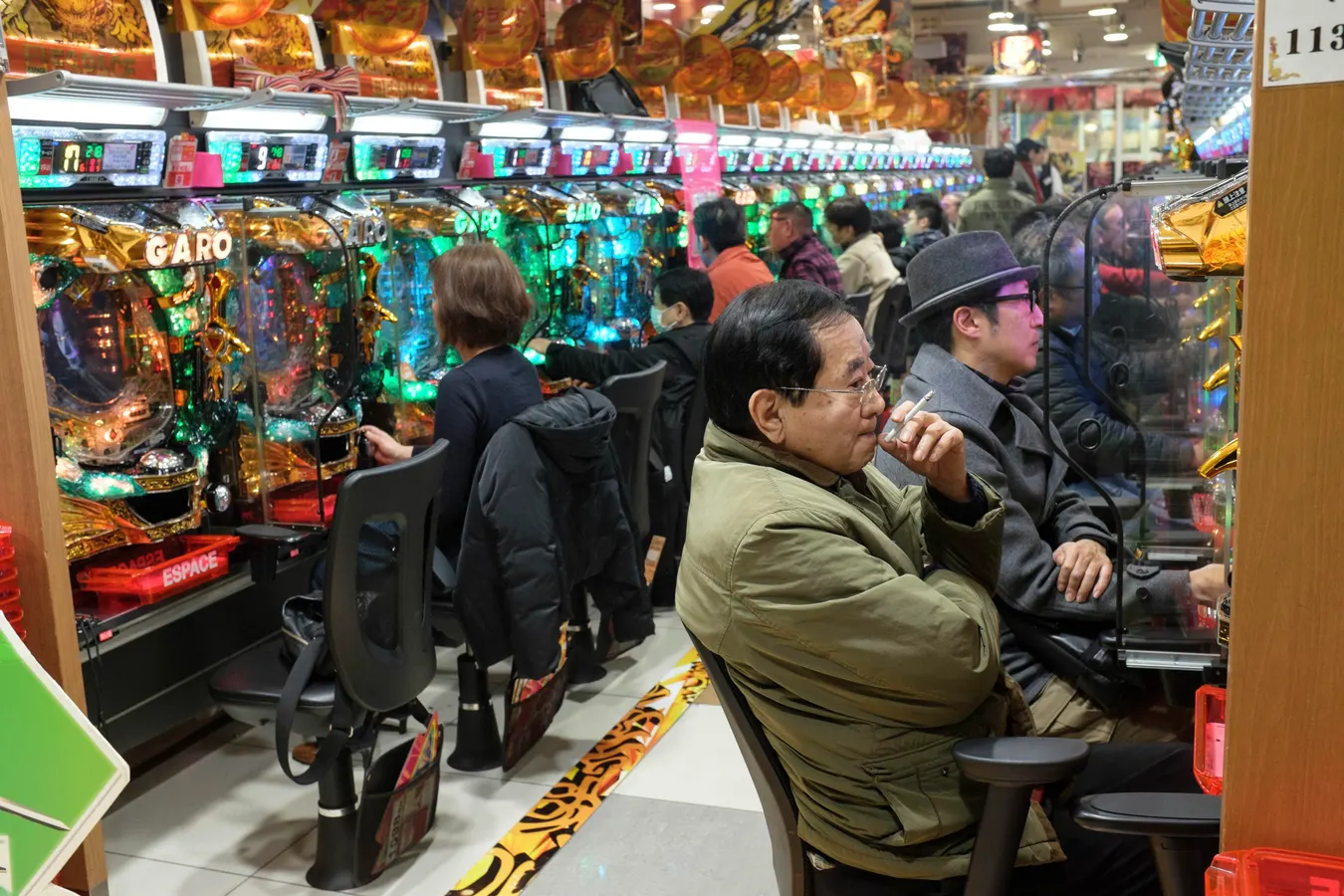
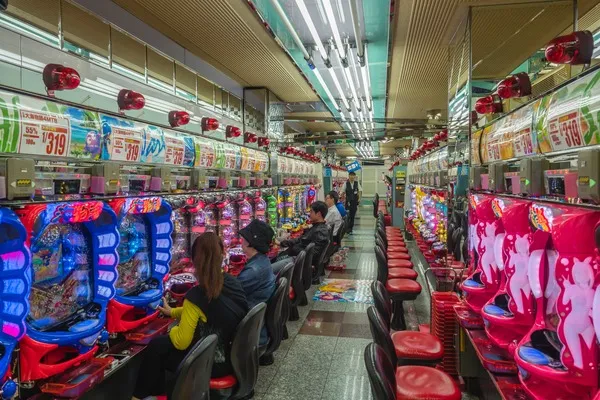
Pachinko is played on a tall, upright machine where small steel balls fall through a narrow space filled with many carefully placed pins. The concept is simple: you try to send the balls into special target spots that can give you bonus balls or extra chances to earn rewards.
Pachinko in Tokyo and Osaka: Why Each Round Never Feels the Same
What makes pachinko different from a regular arcade game is the mix of real movement you can clearly watch and results that can still surprise you. You stay involved the whole time, but things can change fast, which keeps every session feeling fresh, fun, and exciting.
How a Pachinko Session Works
To begin, players launch metal balls into a vertical board covered with pins from top to bottom. As the balls drop, they bounce off the pins and shift direction in ways you cannot fully control, creating a smooth and steady flow that many people enjoy watching. The best part is when balls land in winning zones that trigger rewards, like extra balls or prize credits.
The Skill Side That Improves With Practice
Even though luck is always part of the game, many players build small habits that help them get better. By adjusting the strength and timing of the launch, you can slightly influence how the balls travel. Since each machine feels a little different and every pin layout has its own pattern, you still get a feeling of control—and that small control can feel like a big win when you keep playing.
Prizes and Reward Exchange
When you get a strong run, you can collect more balls or earn reward items that you can keep for later. After that, those rewards can be exchanged for different prizes, which adds another fun layer to the whole visit. Because of this system, pachinko feels like more than a quick game, since it gives you something to aim for and a reason to stay interested.
The story of pachinko goes back to the early years of the last century, when simple pin-style games were inspired by arcade ideas from outside and later shaped into something that matched local tastes. At first, pachinko machines were mostly made for younger players, and the goal was fast entertainment rather than deeper gameplay.
From Basic Boards to a Bigger Experience
As time passed, pachinko slowly changed. Machines became more advanced, pin designs grew more detailed, and new mechanical and electronic features were added. What once felt like a very simple activity gradually became something more polished, more exciting, and much more enjoyable to spend time with.
Pachinko in Tokyo and Osaka: How Modern Halls Became What We Know Today
Later, during a period when everyday entertainment grew quickly after major world events, pachinko became a common way for many people to relax. Technology kept improving, halls became larger and more impressive in design, and the game developed into the familiar style that many visitors recognize today.
Each pachinko machine is built with a huge number of pins placed carefully and accurately. These pins shape the path of the steel balls, blending simple physics with sudden and unexpected turns. Because of that, nothing is ever fully guaranteed, and every round feels different, interesting, and worth watching.
A Lively Place With Shared Energy
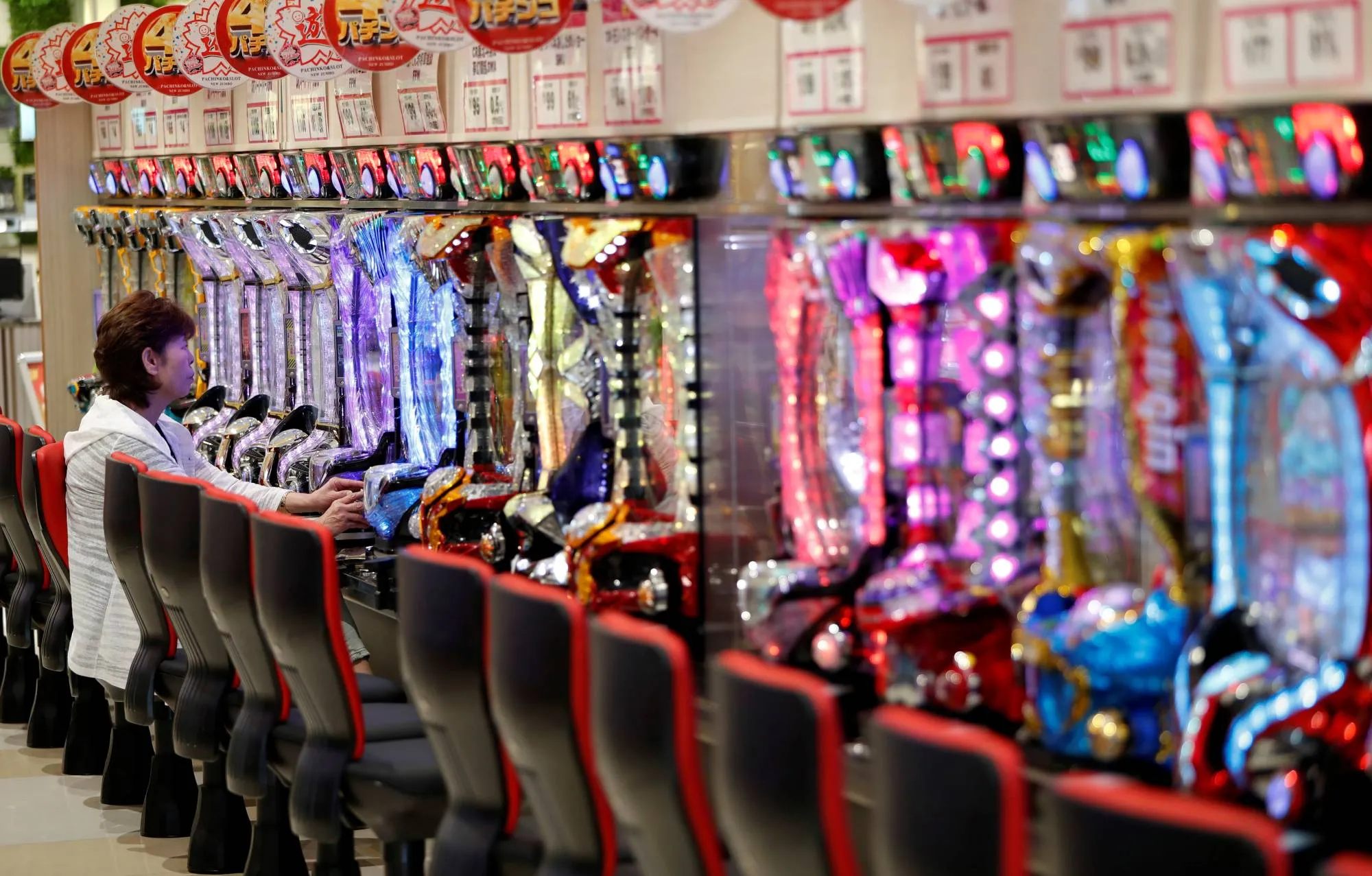
Pachinko halls are not only about playing alone. They often feel like active spaces where people notice each other's games, share small tips, and enjoy the same atmosphere together. That friendly mood can turn a normal visit into something more social and more enjoyable.
A Reward System That Keeps Things Exciting
The prize system is another reason pachinko feels deeper than it first appears. When you play well, you can earn items or tokens that you can exchange later, which creates a clear link between your results and what you receive. This keeps the experience exciting and gives visitors a reason to stay engaged.
More Than a Game: A Tradition That Still Grows
Even though pachinko started as an idea that came from outside, it slowly became something with its own style and identity. Over time, it turned into a popular way to relax, focusing more on light competition and shared fun instead of direct head-to-head play.
At first, pachinko might seem like a simple arcade-style activity, but the real experience feels completely different from most other games. Instead of relying only on screens and quick taps, it uses real steel balls that fall with gravity, bounce through a tight forest of pins, and react to moving mechanical parts that shape the final outcome. Because the action is physical and constantly moving, every round feels hands-on, smooth, and never exactly the same twice.
You are not just pressing a button and waiting for a result — you actively launch the balls yourself, follow their full path, and watch the machine respond right in front of you. That creates a special kind of excitement where the fun comes from motion, timing, and the unique layout of each machine.
The Basic Mechanics That Make Pachinko Work
Pachinko is built around real movement, not just bright digital effects. You send steel balls into the machine, and they slide downward through a narrow space packed with pins. Since the path can never be controlled perfectly, each round unfolds in its own way and keeps the experience interesting. The clever mix of pin design and mechanical elements also keeps the action steady, while still changing all the time.
Modern pachinko machines feel much more advanced than the older versions. Today, many of them include stronger electronic features, brighter screens, and improved reward options that make each session feel more lively and exciting.
At the same time, the classic base is still there — steel balls, pin layouts, and the familiar upright machine design. New themes, animated moments, and richer reward systems are added on top of the traditional structure, helping pachinko keep up with modern technology while still protecting the main idea that made it special from the beginning.
Pachinko follows a clear step-by-step process where what happens during play connects to a larger system working behind the scenes. The balls you win can be exchanged for special tokens at dedicated counters, and those tokens can later be used to trade for goods or to continue playing. This simple but layered reward flow adds extra meaning to the experience and helps the whole setup stay active.
This structure also supports many connected jobs and businesses across different areas, from building machines to running venues every day. Everything is organized in a way that keeps both players and the teams working behind the scenes involved for the long term.
From a social point of view, pachinko halls often feel like shared spaces where people with different routines and lifestyles can spend time together in the same place. These venues encourage small interactions, repeat visits, and a familiar atmosphere that feels like more than just rows of machines. Over time, this can create small communities built on regular habits and shared moments.
Pachinko's influence goes beyond entertainment alone. It supports production, sales, and service work, while also bringing long-term stability to the industry. Even today, pachinko remains a balanced system that mixes engaging gameplay with a smart structure, helping it stay steady, active, and meaningful.